



.jpg)
 Bing Zhou, Ph.D., M.D.
Cell Metabolism
Shanghai Sixth People’s Hospital, Shanghai Jiao Tong University School of Medicine
FOCUS: REPLACEMENT
https://www.cell.com/cell-metabolism/fulltext/
Lay summary: Metabolic dysfunction-associated steatotic liver disease (MASLD), formerly known as nonalcoholic fatty liver disease (NAFLD), is a growing global health challenge. However, the development of effective and ethically sound therapies remains limited. In our recent study published in Cell Metabolism, we identified the deubiquitylating enzyme RPN11 as a critical regulator of hepatic lipid accumulation and inflammation in MASLD. To explore the therapeutic potential of RPN11 inhibition, we established a human-relevant, animal-free research platform comprising 2D-cultured primary human hepatocytes and 3D liver organoids derived from healthy donors. These models faithfully recapitulate the key pathological features of MASLD--steatosis, lipotoxicity, and inflammation—observed in patients. Our organoid-based platform enabled high-content screening and mechanistic studies of RPN11 inhibitors without relying on early-stage animal experimentation. Pharmacological inhibition of RPN11 significantly reduced hepatic triglyceride accumulation and pro-inflammatory cytokine expression in fatty acid-loaded liver organoids. This approach provides a viable alternative to the traditional reliance on rodent and non-human primate models during early-phase drug screening and mechanistic validation. By using human-derived systems with high fidelity and translational potential, our work provides a powerful alternative that advances ethical standards in biomedical research while maintaining robust scientific rigor. Furthermore, our liver organoid system proved to be reproducible and scalable across multiple donor lines, enabling mechanistic studies under disease-relevant conditions while preserving inter-individual variability. These organoids are compatible with omics-based analysis, drug toxicity assessment, and high-throughput screening, establishing them as a flexible and broadly applicable platform. Moreover, this versatile platform can be extended to study a wide range of liver diseases including viral hepatitis, fibrosis, and liver cancer, supporting future applications across research and preclinical development. By replacing animal models with a human-specific system in this study, we demonstrate that ethical considerations and scientific innovation are not mutually exclusive. This work exemplifies how human-specific systems can effectively replace animal models in the early phases of biomedical research, thereby advancing the principles of the 3Rs—particularly replacement. Our findings underscore that ethical innovation and scientific excellence can be achieved simultaneously. By demonstrating the potential of liver organoid technology to transform preclinical drug discovery, we provide a compelling example of how non-animal methodologies can redefine biomedical research while upholding the highest ethical standards, offering a powerful model for future innovation in biomedical discovery.
 Alessio Vagnoni, Ph.D.
Cell Death & Disease
King’s College London, Wohl Basic and Clinical Neuroscience Institute
FOCUS: REPLACEMENT
https://www.nature.com/articles/s41419-025-07511-5
Lay summary: Studying the cell biology of live neurons in adult animals requires intravital or ex vivo imaging approaches, which are technically challenging and time-consuming in vertebrate model organisms. Moreover, such studies often require a significant number of animals and involve surgical procedures.
We established a novel system that provides non-invasive, detailed imaging of neuronal biology in the natural habitat of the neurons in adult, intact fruit flies. This system exploits the accessibility of microscopic observation of sensory neurons in the adult wing of Drosophila melanogaster. Our methodology represented a significant advance for the field, enabling imaging of live neurons in an intact adult nervous system to be coupled to powerful genetic tools.
We have used this system to study the biology of mitochondria, the energy-production factories of the cell. For this work, we specifically focused on the social nature of these specialised cellular units, examining the physical connections they establish with other cellular compartments. We particularly focused on the contact sites with the endoplasmic reticulum, lysosomes, and peroxisomes. By combining new Drosophila models for visualising contact sites with advanced light microscopy, we were able to observe for the first time in adult, live animals, the different interactions that mitochondria establish with their cellular partners. This work began to characterise the underlying mechanisms of this liaison, and the robustness of our approach has been directly validated in other model systems, including human cellular models and zebrafish.
There is significant demand for more studies on mitochondrial contact sites in the physiological context of adult organisms. Electron microscopy (EM), the gold standard for studying membrane contact sites in animal tissues, is time-consuming, requires specialised and expensive equipment, and cannot be used for live imaging. Therefore, developing easy-to-use, versatile genetically encoded Drosophila tools will reduce reliance on EM studies and enhance the transferability of our system, potentially replacing many vertebrate models. The relatively short lifespan of fruit flies makes longitudinal studies feasible, and the sophisticated genetic tools available in this organism greatly facilitate functional studies, opening up the possibility of studying how live mitochondrial interactions are shaped by ageing.
This work is an example of my group’s ongoing efforts to advance 3Rs-minded strategies that have a direct and tangible impact in reducing the use of vertebrate animal species with Drosophila, a model organism that has advanced the progress of science invaluably, while providing substantial 3Rs advances across fields.
 Jeffrey Thinschmidt, M.A.
Frontiers in Drug Discovery
University of Florida, College of Pharmacy
FOCUS: REFINEMENT
https://www.frontiersin.org/journals/drug-discovery/articles/10.3389/fddsv.2024.1393964/full
Lay summary: Organophosphates (OPs) are widely used as pesticides and chemical weapons. These compounds block the enzyme acetylcholinesterase (AChE), which normally breaks down the neurotransmitter acetylcholine (ACh). As a result, ACh builds up in the nervous system, leading to serious health effects. In the brain, OP exposure can cause unconsciousness, seizures, respiratory distress, long-term damage, and death due to overstimulation of nerve cells. Since the 1970s, standard treatments for OP poisoning have included atropine sulfate, which blocks ACh receptors, along with pralidoxime chloride (2-PAM), a drug that helps restore AChE function. However, 2-PAM and similar drugs have limited ability to cross the blood-brain barrier (BBB), making them less effective at treating brain-related symptoms of OP poisoning. This highlights the need for new treatments that can better reach the brain and counteract OP effects. The ideal next-generation drugs should not only restore AChE activity across different types of Ops but also minimize unwanted side effects of existing treatments like atropine by specifically targeting the key mechanisms behind OP-induced brain overstimulation.
Testing new treatments for OP poisoning often involves exposing conscious animals to OPs, which can cause significant distress. Our isofurane-anesthetized rat model allows monitoring of CNS hyperexcitation induced by OP actions on endogenous cholinergic activity. Methods presented in this research offer a far more humane approach, while continuing to provide critical data for drug development. Notably, this work is an extension of an earlier study by our group [Thinschmidt et al., 2022, doi. 10.3389/fncel.2022.1066312], that developed an acute in vitro brain slice assay that can also be used early in the drug development process as an alternative to work with conscious animals.
 Stéphanie De Vleeschauwer, D.V.M., Ph.D.
Nature Protocols
Laboratory Animal Center KU Leuven
FOCUS: REFINEMENT
https://www.nature.com/articles/s41596-024-00998-w
Lay summary: While research has made progress in using fewer animals (reduction) and finding alternatives (replacement), the third principle of the 3Rs—refinement, or improving the care and conditions for the animals still used in research—is lagging behind. And although guidelines are available for planning (PREPARE) and reporting (ARRIVE) on animal experiments, they do not offer clear and consistent advice on how to improve the care and monitoring of animals used in research, specifically in cancer research. To address this, a European initiative supported by EurOPDX and INFRAFRONTIER developed the OBSERVE guidelines (Oncology Best-practices: Signs, Endpoints and Refinements for in Vivo Experiments). These guidelines aim to support researchers and animal care staff in refining cancer studies that use live rodents. This Consensus Statement provides comprehensive recommendations on improving animal welfare in cancer studies--from preparing tumor cells and refining implantation methods, to monitoring clinical signs, setting humane endpoints, and assessing the severity of the disease. The guidelines are mainly based on identifying specific signs of illness related to different cancers and offer oncology researchers practical guidance on how to refine their cancer studies for a wide range of tumor models, including genetically modified mice and patient-derived tumor models.
 Gaurav Ahuja, Ph.D.
Nature Chemical Biology, 2022
Indraprastha Institute of Information Technology-Delhi (IIIT-Delhi), New Delhi, India
FOCUS: REDUCTION, REFINEMENT, REPLACEMENT
https://www.nature.com/articles/s41589-022-01110-7
Lay summary: The global incidence of cancer and related mortalities is rising at an alarming rate. Current methods for identifying carcinogens rely heavily on animal models. Current in vivo experiments for detecting carcinogens may require many animals to validate a single compound. To address this issue, we developed Metabokiller, an innovative AI tool that significantly enhances the pre-screening process for the ever-expanding list of compounds that interact with humans, including new pharmaceuticals and industrial by-products.
Advances in functional assays have shown that potential carcinogens may induce cellular proliferation, genomic instability, oxidative stress response, anti-apoptotic response, and epigenetic alterations. Additionally, many carcinogens are electrophilic. Metabokiller harnesses these biochemical properties to predict chemical carcinogenicity reliably. Notably, these six biochemical properties are recommended by the International Agency for Research on Cancer (IARC) for carcinogen detection. To validate Metabokiller's effectiveness, we used it to identify endogenous carcinogens. Remarkably, it successfully identified all 38 previously known endogenous carcinogens and pinpointed several new potential carcinogens. We then selected two carcinogens predicted by Metabokiller, which other methods had predicted negatively, and assessed their carcinogenic potential using yeast and primary human cell lines. Metabokiller outperformed the most commonly used and highly regarded solutions due to its advanced algorithms. Metabokiller adheres to the 3Rs principles: refine, reduce, and replace the use of animals in laboratory testing, underscoring its ethical advantage in scientific research. Metabokiller is available worldwide to help refine, reduce or replace the use of animals in carcinogenicity testing.
 Anja Hess
The EMBO Journal, 2023
Max Planck Institute for Molecular Genetics, Berlin, Germany
FOCUS: REPLACEMENT
https://pmc.ncbi.nlm.nih.gov/articles/PMC10711666/
Lay summary: Metabolic Dysfunction Associated Steatotic Liver Disease (MASLD), also known as 'fatty liver', has recently emerged as the most common chronic liver disease worldwide. Despite its prevalence and enormous impact on human health, few treatment options are available. New MASLD drugs are often tested in animal models. Human liver organoids (hLOs) are a promising alternative to animal models in MASLD research. These miniature 3D counterparts of the liver are grown in the laboratory from human cells. However, studies evaluating different methods to induce MASLD in hLOs are limited, making it difficult for researchers and clinicians to choose the appropriate system when they want to replace animal testing. This study comprehensively analyzed three commonly used agents that induce MASLD in human liver organoids (hLOs) at the single-cell level. The findings revealed that oleic acid, the first agent tested, effectively promoted fat accumulation, yet unexpectedly reduced a cell type believed to be crucial in MASLD development. Palmitic acid, another agent, mimicked the inflammatory phase of the disease, while a third treatment with a protein called TGF-B1 modeled the terminal disease stage characterized by fibrosis. As a result, this research outlined the effects of MASLD-inducing agents on individual cell populations and their interactions -- achievements that would be far more challenging to accomplish in a complex animal model. The key innovation of the study was to link each MASLD agent to the capacity to model a specific disease phase in hLOs for different liver cell types. Researchers can now immediately choose the appropriate MASLD organoid model depending on the disease stage and cell type of interest. This has crucial implications for the success of human-based organoid models and their potential to replace large numbers of animals in liver disease research.
 Robert Gerlai, Ph.D.
Physiology & Behavior, 2023
University of Toronto, Ontario, Canada
FOCUS: REDUCTION, REFINEMENT
https://doi.org/10.1016/j.physbeh.2023.114106
Lay summary: There are roughly 100,000 zebrafish scientists around the world. Zebrafish is growing in popularity as a model organism because it strikes a balance between systems complexity and practical simplicity. From cancer research to toxicology to complex forms of learning and memory, zebrafish has permeated throughout all subfields of biology in the last 3 decades. In laboratories and research facilities that use the zebrafish, handling is required in not just behavioral experiments, but also in transport, breeding, and daily husbandry and maintenance practices. To date, there has been a lack of effort to refine handling methods in zebrafish, a factor that has been extensively studied in rodents such as mice. Handling is ubiquitous to zebrafish work and may be stressful to the fish. The most common way to handle zebrafish is to capture them with a net, and then move them around in the air to the desired location. This chasing, netting, and air suspension is stressful to zebrafish, and has not been refined until now. In this study, the team investigated different methods of handling, from the most invasive (chasing + netting + air suspension), to the least (no chasing or air suspension, only pouring from home tank). As expected, we found that the least invasive method of handling significantly decreased the total time the fish spent immobile and frequency of immobility (increases in these two measures combined are indications of fear and anxiety). For the first time, we highlight a major refinement procedure that can easily be adopted universally to reduce stress for zebrafish. Reducing handling stress can have downstream implications to obtaining data, for example by reducing error variation and thus, the number of animals required to power an experiment could be reduced.
 Jasmine M. Clarkson, B.Sc. (Hons), M. Res, M. Res., Ph.D.
Proceedings of the Royal Society B, April 2023
University of Glasgow
FOCUS: REFINING
https://doi.org/10.1098/rspb.2022.2446
Rodents are the most widely used laboratory animals worldwide, and millions of mice and rats are used annually for scientific and medical research. Typically, at the conclusion of the research the animals are euthanized, often using carbon dioxide (CO2) gas. This project investigated whether an alternative method, hypobaric hypoxia via gradual decompression, was associated with better welfare outcomes for euthanizing laboratory mice compared to CO2.
Gradual decompression is a process whereby atmospheric air pressure is steadily reduced, simulating a situation equivalent to ascending to a high altitude. When hypobaric hypoxia is induced in humans for purposes such as aircrew training, personnel report that its onset is insidious with no obvious symptoms, and people are unaware that they are becoming impaired before the loss of consciousness. However, given that mice cannot verbally self-report like humans, assessment methods were used to determine the welfare impact on the animals. This project included a detailed assessment of the behaviour of mice undergoing gradual decompression and CO2 treatments and determined whether giving pain relief or anti-anxiety medication impacted their responses (based on the notion that modification of behavior with these interventions provides evidence for these experiences). Compared to CO2, the findings support the notion of a minimally negative animal experience when mice were exposed to gradual decompression. Mice were less likely to perform negative behaviours (such as escape attempts), exhibit signs of respiratory distress and, importantly, their behaviours were unaffected by pain relief and anti-anxiety medication, unlike with CO2. The findings demonstrated that hypobaric hypoxia could be the basis of significant improvement in the way that laboratory mice are euthanized, transforming the ability to provide high welfare deaths with automated, practical, non-contact and affordable systems for research animals.
The welfare concerns associated with the use of CO2 for stunning and euthanizing animals have been identified as a critical research priority in our laboratory. This work provides the first evidence of a novel method capable of meeting these attributes while providing better welfare outcomes than CO2 for euthanizing laboratory mice. The widespread uptake and use of hypobaric hypoxia would have a significant refinement impact. The funds from the Global 3Rs Awards will be used to further explore the welfare benefits of hypobaric hypoxia, and for the dissemination of these findings to relevant stakeholders.
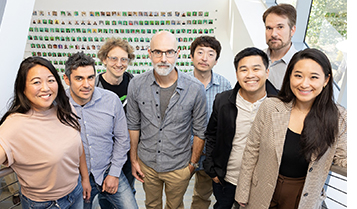 J. Graham Ruby, Ph.D.
The Journals of Gerontology: Biological Sciences, January 2023
Calico Life Sciences LLC, South San Francisco, California, USA.
FOCUS: REFINING
https://doi.org/10.1093/gerona/glad035
The use of video to monitor mouse activity and behavior provides non-invasive, longitudinal measurements of phenotypes and behaviors that may better quantify the gradual decline of health that occurs during aging. Home-cage, automated measurements aim to reduce variability and provide a scalable platform to inform research programs and drug development. While frailty indices are proven as reliable biomarkers of aging in humans and mice, traditional frailty relies on subjective assessments, depends on highly trained staff, and causes stress in already frail animals. Calico Life Science's early work in digital/video frailty eliminates perturbations from human interaction, enables longevity/healthspan studies to be run on a larger scale, and refines longitudinal studies of mouse aging. This study quantified aging using a non-invasive composite digital frailty index (DFI) developed from computer vision on mouse video. DFI was validated against traditional, subjective frailty index measurements and the intent is to apply this technology to evaluate both known and novel interventions that slow or accelerate aging.
This research refines longitudinal aging studies by enabling continuous, non-invasive monitoring of mice in their home-cage environment, and minimizes handling-related stress that accompanies traditional behavioral phenotyping and manual frailty assessment. There is immediate impact on reproducibility by removing potential confounders of frailty assessment (inter-rater variability) while providing an avenue to increase the throughput of aging intervention studies. This technology can potentially accelerate an understanding of the biology of aging by replacing manual frailty index and complementing other digital biomarkers such as non-invasive imaging. Digitally collected home-cage data could lead to an automated non-invasive general welfare metric that is applicable across various disease models, which provides high value insights in models when decline or disease phenotype reversal is expected. Such automated measurements have the potential to refine humane endpoints and reduce pain and distress.
This Global 3Rs award will be donated to nonprofit organizations promoting global 3Rs efforts. Internally, the recognition from the award will be used to promote the further development and adoption of translational digital biomarker technologies in Calico Life Science’s preclinical research program.
 Thamil Selvee Ramasamy, Ph.D.
In Vitro Cellular & Developmental Biology - Animal, November 2021
Universiti Malaya
FOCUS: REPLACEMENT and REDUCTION
https://doi.org/10.1007/s11626-021-00625-y
Tumour hypoxia drives resistance and aggressiveness, and in large part, contributes to treatment failure thereby causing cancer-related deaths. The rapid and uncontrolled tumour growth develops not only a hypoxic niche but also a nutrient-deprived condition due to insufficient blood supply. Together, these create a stressful tumour niche, further promoting higher aggressiveness and resistance features of cancer. However, how cellular responses in prolonged stress are associated with cancer stem cells (CSCs), which are linked to these features, remains unclear. This research established HepG2 tumoursphere culture in a hypoxic and serum-free condition that recapitulated differential responses to prolonged tumour growth pressures, evident by their progressive changes in the morphology of tumorsphere formation over the course of 15-day culture. HepG2 tumourspheres formed larger sphere sizes of > 200 μm in hypoxic conditions, concomitant with higher cell yield and upregulation of PCNA marker at day 7, corresponding with higher self-renewal capacity when cultured in SFM compared to SM. Notably, prolonged growth of HepG2 tumourspheres for 15 days under hypoxic and SFM condition increased their sphere counts, yet significantly reduced their cell yield along with downregulation of PCNA expression. Gene expression analysis showed that HepG2 tumourspheres on day 15 exhibited enhanced expression of markers of quiescence, stemness, EMT, and chemoresistance. Interestingly, analysis of HIF1α and HIF2α and their target gene expression indicated complementary HIF expression with preferential upregulation of HIF2α was observed in HepG2 tumourspheres in prolonged hypoxic and serum-free conditions, suggesting HIF2α-dependency and plausibility of the HIF1α-HIF2α switch that governs their survival by promoting CSC-like programmes. The findings suggest the implication of prolonged hypoxia and nutrient deprivation stress in promoting CSC-like programmes in cancer cells recapitulating their plasticity, hence having opened many research directions that enable the development of effective targeting of CSCs and precision medicine for treating cancer. In a nutshell, this research embarked on modelling tumour growth recapitulating in vivo conditions without involving animal models. Using 3D tumourspheres, an in vitro system was developed to study the response of cancer cells to key tumour niche factors, especially hypoxia and nutrient deprivation, which play a crucial role in conferring resistance and aggressiveness. The key achievement of this research work is achieving a culture system that enables the enrichment of cancer stem cells, rare and low abundance cells found to be enriched in tumour samples from animals and humans.
Disease modeling using a 3D culture system, i.e., tumourspheres and organoids, have a huge impact in accelerating understanding of the disease pathogenesis and drug discovery. This will certainly facilitate the replacement of animals uses in research since many aspects of diseases, in this case cancer, can be recapitulated using 3D culture for more precise biology and have successful outcomes in further research or application to humans. By providing a more accurate and personalized model for studying cancer, the use of tumourspheres can help reduce the number of animals used in cancer research.
The Global 3Rs Award will be used to invest in the optimization of patient- and disease-specific organoid models that potentially will replace and reduce the use of xenograft animal models. Universiti Malaya has been working on the establishment of the Human Organoid Biobank (HOrgaBio) Initiative at our institution so that the developed organoid models can be made available to collaborators and fellow researchers. This initiative will reduce the number of animals and promote the development of non-animal alternatives.
 Laura Calvillo, Ph.D.
Use of dual-flow bioreactor to develop a simplified model of nervous-cardiovascular systems crosstalk: A preliminary assessment. PLoS One, November 2020.
Istituto Auxologico Italiano IRCCS
In this paper, a reduction/replacement approach was applied to establish an innovative in-vitro model to fill the gap existing between the complexity of the animal model and the simple approach of classical cell culture in a Petri dish. For the first time, a culture of human neuroblastoma cells (SH-SY5Y) and Human Coronary Artery Smooth Muscle Cells (HCASMC) were connected by a dual-flow bioreactor system (IVTech LiveBox (LB2)) in order to develop a simplified model of nervous-cardiovascular systems crosstalk. Cells growing in a Petri dish lack the 3D organization and interconnection typical of organs in biological creatures, and animal models are too complex to dissect a single pathway in the complexity of organ and cell crosstalk. LB2 is an inter-connected dynamic cell culture model able to mimic organ crosstalk in a more physiological environment. The primary aim of the study was to establish methodologies (culture and growth conditions, flow parameters, correct connections) to allow SH-SY5Yand HCASMC reciprocal communication exploiting the dynamic inter-connection ensured by LB2. Secondly, the team chose to explore the effect of an external stimulus (Angiotensin II (AngII) treatment) on the two cell types when seeded and connected by this new system for studying the AngII-dependent PKCβII/HuR/VEGF cascade activation, relevant in cardiovascular and neuroscience research.
The innovation of this work is exemplified in the observed potentiated biological response due to different cell type interconnections mimicking more closely what happens in a living organism. LB2 facilitated the connection of cells growing in different environments, modifiable by the user, thus allowing the study of specific interactions among different biological cell systems in a more physiological relevant and predictive structure than simple 2D Petri dishes, and without using laboratory animals, whose complexity can create confounding effects.
The described model can be adapted to several cell types and can facilitate the in-depth study of biological pathways for which an in-vivo model is too complex or would require a large number of animals. This study allows for a reduction of animal use which can be achieved by the contemporary use of bioreactors and in-vivo models, and enables a replacement in those studies requiring specific information about cell crosstalk not obtainable from laboratory animals.
This Global 3Rs Award will be used to set up both hypertension and OSA experimental models in the bioreactor in order to answer specific clinical questions that can’t be addressed with currently available experimental tools.

Effects of non-aversive versus tail-lift handling on breeding productivity in a C57BL/6J mouse colony, PLoS ONE, January 2022.
University of Florida
Non-aversive handling is a well-documented, simple, and inexpensive refinement measure for improving rodent welfare. Picking up mice by the tail has documented adverse effects, including strong and persistent aversion and anxiety. In contrast, non-aversive handling methods (using plastic tubes, tunnels, or cupped hands) greatly reduces anxiety in individual mice. The team hypothesized that welfare benefits associated with non-aversive handling could be extended to improve breeding outcomes for laboratory mice. Litter losses in mouse breeding facilities range from 10 to 50%, and so-called “acceptable” losses are 25-30%. Measures that reduce stress in breeding mice should reduce stress and disruptions of parental care and therefore reduce preventable deaths in pups, such as impaired growth, infanticide, and cannibalism.
The study performed a randomized controlled trial to examine the effects of the institutional standard method of handling (tail-lift with forceps) versus non-aversive handling with transfer tunnels (‘tunnel-handled’) on breeding performance in 59 C57BL/6J mouse pairs. Compared to tail-lift mice, tunnel-handled mice averaged one extra pup per pair, weaned more total litters (45% vs 13%), had fewer losses of at least one entire litter before weaning (38% vs 87%), and a 20% lower risk of recurrent litter loss. Ultimately, non-aversive handling translated to improved welfare, measured as increased survivability. To translate this welfare benefit into financial terms, at an estimated cost of $22 per mouse, and assuming a colony size of 500 breeding pairs, one extra pup born and weaned per pair could result in approximately $11,000 in cost savings.
In sum, the findings suggest that mouse handling methods may cause unrecognized stress to individual mice that affects the subsequent behavior of nursing females. Active measures to reduce stress and thus preventable pup deaths is important for animal welfare. In addition to the welfare benefit, reducing pup losses can result in considerable cost savings to large laboratory colonies. This study showed reduction in pup deaths and persuaded university management to incorporate tunnel handling as the standard of care across all 12 facilities at this institution, involving approximately 25,000 cages and up to 150,000 mice.
The results have been shared with the North American 3Rs Collaborative, prompting other facilities to adopt this change. The widespread adoption of tunnel handling would impact at least two of the 3Rs. Non-aversive handling represents a refinement for the millions of mice that are currently handled by their tails. Additionally, the increased productivity experienced by breeding colonies who adopt these handling methods could lead to a reduction in the number of animals needed to be maintained for colony maintenance and expansion purposes.
This Global 3Rs Award will be used to help expand the adoption and practice of non-aversive handling practices through online learning modules offered in multiple languages. A “Refined Handling” certificate program will also be created.
 Pooi-Fong Wong, Ph.D., MMedSc, DipTropMed
MiR-107 inhibits the sprouting of intersegmental vessels of zebrafish embryos, Protoplasma, May 2022.
University Malaya Kuala Lumpur
MicroRNA (miRNA) is a class of small non-coding RNA molecules that control vital cellular and biological processes mostly by suppressing their target genes. This study investigated the role of miR-107 in angiogenesis or blood vessel formation. The researchers previously demonstrated that high levels of miR-107 impair blood vessel formation in human endothelial cells by regulating the human tumour suppressor protein, PTEN (Phosphatase Tensin Homology), and a cellular growth regulator, MTOR (Mammalian Target of Rapamycin). To further validate this finding in an angiogenesis animal model, the team utilized zebrafish embryos as they are transparent and allow direct observation of rapid blood vessel sprouting that can be clearly visualised by 72 h post-fertilisation (hpf). The sequence of miR-107 is identical in humans and zebrafish. Hence, overexpression of miR-107 was performed in zebrafish embryos via microinjection with mimic miR-107 duplex molecules. To study sprouting angiogenesis, intersegmental vessel (ISV) formation was observed at the trunk of zebrafish embryos. The ISVs in the zebrafish embryo were stained with alkaline phosphatase after microinjection. The abundance of zebrafish Pten protein, a target of miR-107; Ztor (the human MTOR counterpart of zebrafish) and other associated regulators were examined by immunoblotting. Overexpression of miR-107 in zebrafish embryos inhibited the sprouting of ISVs together with the down-regulation of phosphorylated Rps6 (Ribosomal protein S6) expression. Activation of Ztor is characterised by the activation or phosphorylation of its downstream effector, Rps6. Hence, this confirmed that Ztor pathway signalling was inhibited by the overexpression of miR-107. miRNAs are known to suppress the expression of their target mRNAs. As expected, pten as a target of miR-107, was down-regulated by the overexpression of miR-107. Interestingly, Rap1 (ras-associated protein 1), a small GTPase protein that is involved in sprouting of intersomitic vessels during angiogenesis, was also down-regulated when miR-107 was overexpressed. Further study using pull-down assay revealed that miR-107 also targets RAP1A/B gene which encodes Rap1. Collectively, the findings reveal that miR-107 is involved in zebrafish vascular development. Its angiogenesis inhibitory effect is most likely mediated through the inhibition of Rap1/Ztor pathway. Findings from this study have provided new insights into the role of miRNAs in regulating an evolutionarily conserved developmental role in zebrafish. Understanding their roles is important as these molecules represent a novel class of therapeutic targets and diagnostic markers for diseases.
By using the zebrafish model for angiogenesis, rodents and rabbits have been replaced, circumventing their use in stressful and painful experiments. The study utilized very early stage embryos, sparing the older larvae and adult zebrafish from pain, suffering or distress.
The findings from this research have been disseminated via publications and conference presentations. The Global 3Rs Award will fund training workshops to encourage more researchers to use zebrafish rather than rodents for animal experimentation. It will also support transportation fees for transgenic zebrafish, and continuing education on zebrafish research for laboratory employees.
University of Amsterdam
Primary Human Colonic Mucosal Barrier Crosstalk with Super Oxygen-Sensitive Faecalibacterium prausnitzii in Continuous Culture, Med, January 2021.
Labcorp Early Development Laboratories (Harrogate)
A new group housing approach for non-human primate metabolism studies, Journal of Pharmacological and Toxicological Methods, January 2021.
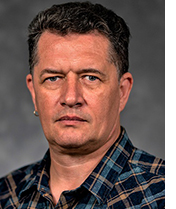 Andrew Syvyk, Ph.D.
Inducible dominant negative ErbB2 rat spermatogonial line for generation of transgenic rat model and dissecting ERBB2 tyrosine kinase mediated pathways. Experimental Oncology, June 2019.
NCTM Texas A&M University, College Station, Texas, USA
Spermatogonia mediated approach for the generation of transgenic animal models has been successfully established and utilized for two main laboratory animal species, mice and rats, and is in active development for other species. Using well-established protocols, it is possible to isolate and cultivate spermatogonial stem cells for many passages. These unipotent stem cells are amenable to the genetic manipulations by all methods developed in the field. Modified cells can be clonally selected, expanded, and used for both in vitro research and generation of transgenic animals. This outcome provides a possibility to conduct rigorous functional and genomic analysis of the selected cell lines prior to utilizing them for the production of the desired animal model.
This method reduces animal utilization by saving the entire generation of animals required for germline transgene transmission screen. Male germ stem cells, due to their unipotent nature, refine the process of the animal model generation by absolutely eliminating mosaicism.
The generated model is an exceptional tool that can be utilized to elucidate ErbB2 related pathways in the greatest detail both in vitro and in vivo. Furthermore, in vitro studies could replace some in vivo experiments and additionally reduce the number of animals necessary for the generation of molecular interaction data.
The Global 3Rs Award will be used for the preparation of a poster or oral presentation of the results as well as for travel expenses for participation at the next TT2022: The 17th Transgenic Technology Meeting that will be held in Finland in 2022.
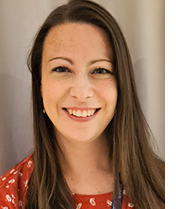 Rachel Tanner, D.Phil. (Oxon)
A non-human primate in vitro functional assay for the early evaluation of TB vaccine candidates. npj Vaccines, January 2021.
University of Oxford, Oxford, UK
Tuberculosis (TB) is a major global health problem, with an estimated 10 million new cases and 1.42 million deaths per year. The only available vaccine, BCG, is insufficient and a new vaccine is desperately needed. However, it is still unclear which components of the immune response are required for protection from TB, which makes it difficult to design and assess new TB vaccines. Currently, new TB vaccines must be evaluated using animal models; predominantly mice and non-human primates (NHPs). The use of NHPs in medical research is of particular ethical concern, and in order to assess how effective a TB vaccine candidate is, animals are infected with virulent Mycobacterium tuberculosis (M.tb) which results in disease development and is classified as ‘Moderate Severity’ under UK and EU legislation. As macaques are widely considered the most relevant model for the evaluation of TB vaccine candidates, and are now essential in supporting advancement to clinical trials, numbers used are increasing and it is critical that new tools are developed to facilitate vaccine testing in macaques in line with the 3Rs principles.
The nominated paper presents, for the first time, an in vitro (‘in a test-tube’) functional mycobacterial growth inhibition assay (MGIA) for use with NHP blood or cell samples. This assay gives an unbiased measure of ability to control mycobacterial replication without the limitation of having to pre-select immune parameters of unclear relevance. Rather than infecting NHPs with M.tb to determine protection, a blood sample is taken before and after vaccination and infected in vitro in the MGIA to provide a surrogate of vaccine efficacy. The aim of the assay is to provide a tool that allows the down-selection of TB vaccine candidates at an early stage of development, thus reducing the number progressing to infection experiments.
Following the success of the MGIA based on peripheral cell samples described in the nominated paper, the Global 3Rs Award will be used to help develop a cross-species assay using bronchoalveolar lavage (BAL) cells.
.jpg) Wenjie Wang, Ph.D.
Wenjie Wang, Ph.D.Characterization of drug responses of mini patient-derived xenografts in mice for predicting cancer patient clinical therapeutic response. Cancer Communications, September 2018.
Shanghai LIDE Biotech Co., LTD., Shanghai, China
A rapid in vivo drug sensitivity assay, OncoVee® MiniPDX, for screening clinically relevant regimens for cancer was developed. In this model, patient-derived tumor cells were arrayed within hollow fiber capsules, implanted subcutaneously into mice and cultured for 7 days. The cellular activity morphology and pharmacokinetics were systematically evaluated. MiniPDX performance (sensitivity, specificity, positive and negative predictive values) was examined using PDX as the reference. Drug responses were examined by tumor cell growth inhibition rate and tumor growth inhibition rate in PDX models and MiniPDX assays respectively. The results from MiniPDX were also used to evaluate its predictive power for clinical outcomes.
Morphological and histopathological features of tumor cells within the MiniPDX capsules matched those both in PDX models and in original tumors. Drug responses in the PDX tumor graft assays correlated well with those in the corresponding MiniPDX assays using 26 PDX models generated from patients, including 14 gastric cancer, 10 lung cancer and 2 pancreatic cancer. The positive predictive value of MiniPDX was 92%, and the negative predictive value was 81% with a sensitivity of 80% and a specificity of 93%. Through expanding to clinical tumor samples, MiniPDX assay showed potential of wide clinical application. The high correlation between drug responses of paired MiniPDX and PDX tumor graft assay, as well as translational data suggest that MiniPDX assay is an advanced tool for personalized cancer treatment.
The research has immediate impact on the application of the 3Rs in the drug screenings for tumor patients. A pharmacodynamic screening using the traditional patient-derived xenografts (PDXs) model generally requires at least 5-6 mice. However, using the miniPDX technique reported in this research, we need only 2 mice for each pharmacodynamic monitoring, without reducing the accuracy. As a result, the usage of mice in drug sensitivity testing was reduced by approximately 70%.
The Global 3Rs Award will be used to invest in the optimization of miniPDX technique and the development of other new technologies that meet the 3Rs standard, further reducing the number of animals and pain and distress to those used.
Wellcome Centre for Human Genetics, University of Oxford, Oxford, UK
Replacement of surgical vasectomy through the use of wild-type sterile hybrids. Lab Animal, January 2021.
Department of Experimental Psychology, University of Oxford, Oxford, UK
Protective cranial implant caps for macaques. Journal of Neuroscience Methods, October 2020.
Glauconix Biosciences, Inc., Albany, New York, USA
A biomimetic, stem cell-derived in vitro ocular outflow model. Advanced Biosystems, July 2020.
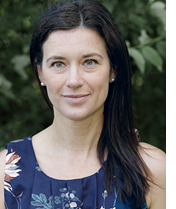
A CRISPR-Cas9 Generated MDCK Cell Line Expressing Human MDR1 without Endogenous Canine MDR1 (cABCB1): An Improved Tool for Drug Efflux Studies, Journal of Pharmaceutical Sciences, 2017.
Department of Pharmacy, Uppsala University, Uppsala, Sweden
In drug development it is imperative to determine if a drug candidate has the ability to pass through cellular barriers in the body to reach the drug target and exert its effect. Drugs can pass through barriers passively or actively with the help of transport proteins. These transport proteins are situated within the cell barriers and can pump drugs over the barrier in the desired direction or prevent the drug from passing by capturing and pumping it back out of the cell again. Transport proteins are of major importance in determining how drugs distribute in our bodies and can be involved in drug-drug interactions resulting in serious adverse effects. Their role is so essential that regulatory agencies, such as the European Medicines Agency and the U.S. Food and Drug Administration, request interaction studies of 11 transport proteins as a part of risk assessment during drug development.
The focus of this research was one of the most important human transport proteins, hMDR1 (human multidrug resistance protein 1). A major problem with existing cell models for hMDR1 is the presence of “background transport.” In other words, the cells used for model development already contain other drug transporters whose function interferes with the function of hMDR1. In this research, interfering background transporters were knocked out using the CRISPR-Cas9 gene editing technique. The resulting model expresses high levels of hMDR1 but does not express any interfering drug transporter. Because of this, the model can be used without background controls, thereby providing a more specific and easier to use model than previously available.
Attrition rates in drug development are high, with approximately 90% of drug candidates that have passed the pre-clinical phase being stopped during clinical studies, i.e. after animal studies have been performed. One of the major obstacles is the limited translatability from animal models to humans. Improved humanized in vitro models can contribute to better selection of drug candidates in the early stages of development, thereby reducing the number of animal studies performed for potentially unsuitable drug candidates in accordance with the tenets of the 3Rs.
School of Biological Sciences, Faculty of Biology, Medicine and Health,
The University of Manchester, United Kingdom
“Lung colonization by Aspergillus fumigatus is controlled by ZNF77,” Nature Communications, 2018. This publication identified ZNF77 as a key controller of Aspergillus colonization and suggest its utility as a risk-marker for patient stratification.
The Global 3Rs Awards program, a collaboration between AAALAC International and the IQ Consortium, recognizes the following individuals for their significant innovative contributions toward the 3Rs of animal research to advance ethical science in academia or industry in any area of biology.
The 2019 winners are:
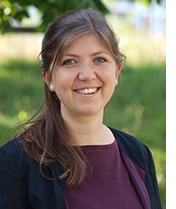
"Microfluidic Multitissue Platform for Advanced Embryotoxicity Testing In Vitro,"
Advanced Science, 2019
ETH Zurich, Dept. of Biosystems Science and Engineering, Basel, Switzerland
Embryotoxicity of compounds constitutes a central part of every drug development process. Animal studies are still the gold standard in developmental toxicity testing—about 90% of animal usage in the drug development pipeline is for these studies, which include adult animals as well as their offspring and fetuses. In attempts to reduce animal studies, alternative developmental in vitro assays have been proposed, three of which were validated by the European Centre for the Validation of Alternative Methods (ECVAM). The embryonic stem cell test (EST) is the only validated assay in developmental toxicity testing that is truly in vitro and does not require sacrificing pregnant animals. However, the assay is not yet powerful enough to provide an alternative to animal experimentation because it only takes into account the direct toxicity of compounds and thereby neglects important metabolic processes. Consequently, the effects of drug metabolism still needs to be tested on pregnant animals in vivo.
This research established an in vitro co-culture platform of 3D embryoid bodies (EBs) and 3D primary human liver microtissues, with liver being the main organ of metabolic transformation. The platform, termed "metaEST," enables, on the same chip, the development of EBs in immediate proximity to liver microtissues and the subsequent readout of embryotoxicity effects caused by metabolized drugs. All steps of the metaEST assay are performed in a single and tubing-free microfluidic device which is simple to handle and can be easily adopted by other researchers. The results demonstrate the enabling nature of the platform to study metabolic effects that are missed in conventional EST assays, and the potential of the platform to mimic physiologically relevant conditions in vitro instead of using animal tests.
The metaEST platform helps to significantly reduce the number of animals used in developmental toxicity studies, and opens new possibilities to mimic relevant physiological arrangements which resemble the human body as closely as possible. The Global 3Rs Award will be used to further develop the microfluidic platform for broader use.

"Implementing the Bruker MALDI Biotyper in the Public Health Laboratory for C. botulinum Neurotoxin Detection," Toxins, 2019 9(3), 94
David Axelrod Institute, Wadsworth Center, New York State Dept. of Health
This work assesses the feasibility of replacing an animal-based assay for botulinurn toxin with one based on mass spectrometry. The article reports the development of a sensitive and accurate test for detecting botulinum neurotoxin (BoNT) in clinical, food, or environmental samples. This accomplishment is noteworthy for its implementation of the 3Rs principles.
Unlike the mouse bioassay (MBA), which is currently accepted as the 'gold standard' for detecting BoNT, the revised test, which is based upon mass spectrometry (MS) in combination with multiplex polymerase chain reaction (PCR), uses no animals. In addition, the MS-based test requires lower volumes of starting sample than the MBA, and provides complete results more rapidly. As BoNT is a "select agent" (an agent that could potentially be used in bioterrorism events), the ability to quickly and accurately detect BoNT is important to promptly respond to a serious public health threat. The authors demonstrated that the MS assay can generate reliable, rapid results while eliminating the need for animal testing.
The immediate impact of this reported study was the discontinuation of animal use (an average of ~250 mice per year) by this group in carrying out the BoNT assay in a public health clinical laboratory where the authors work.
The data presented in the article could incentivize other clinical laboratories conducting the same test to adopt this methodology, leading to the replacement of animals with this newer in vitro technology. Currently, the Biodefense Laboratory in which the authors work is training five additional public health and agricultural laboratories in the use of their MS-based assay, including the New York City Department of Health, Virginia Division of Consolidated Laboratories, Michigan Department of Health, Ohio Department of Agriculture, and the Massachusetts Department of Health. It is hoped that success with implementing the MS-based BoNT test in other laboratories will also inspire some to develop new tests for other clinically relevant compounds/metabolites using MS technology to replace animal-based testing. The Global 3Rs Award will be used to continue to improve the MS assay.

"Self-Aligning Tetris-Like (TILE) Modular Microfluidic Platform for Mimicking Multi-Organ Interactions," Lab on a Chip, 2019
Department of Biomedical Engineering, National University of Singapore
Many biological processes and chronic diseases (e.g., diabetes and obesity) in the human body involve crosstalk between multiple organs. This demands tissue-culture technologies that can mimic these complex multi-organ interactions. This research advances "body-on-a-chip" technology. Over the last ten years there has been an explosion of organs-on-chip models aimed at mimicking various human tissue physiology in order to replace animal testing. In particular, microfluidic multi-organ systems, commonly termed "body-" or "human-on-a-chip," are envisioned as the next milestone for organs-on-chip technology to model more complex biological phenomena involving multiple tissues (which traditionally often has required studies using animal models). Although conceptually simple, there are significant challenges in synchronizing different tissue culture configurations and conditions required for optimal cell functions, and then connecting the different tissues in a flexible format to depict different physiological processes. This limits the accessibility of body-on-chip technology to biological researchers looking to explore animal alternatives to investigate and probe more complex physiological processes.
This research solves the current limitation by using a modular approach to build body-on-chips, the "the TILE modular microfluidic platform." Different cell-containing biological and flow-controlling engineering modules can be established independently before they are assembled into functional, multi-organ perfusion systems at the point-of-use. The TILE microfluidic platform will be the first-in-class human-on-chip technology that has the potential to translate into a mainstream life science research tool.
This in vitro platform technology can be immediately applied to reduce or replace animal testing by offering researchers an intuitive and flexible way to configure different multi-organ perfusion systems using human cells and tissues for more physiologically-relevant drug response prediction. This technology also has great potential to discover and understand systemic or metabolic diseases involving crosstalk between multiple organs, immune system and microbiome.
The Global 3Rs Award will help establish partnerships with pharmaceutical and functional food (probiotics, nutraceuticals) industries to demonstrate proof-of-value. Digital content materials (e.g., 3-D animation video) will be created to help increase awareness of this technology platform among potential users.
"TaiNi: Maximizing research output whilst improving animals' welfare
in neurophysiology experiments,"
Nature Scientific Reports, Volume 7, Article number: 8086, 2017
Recent advances in the development of transgenic mice have provided unprecedented insight into the mechanisms of brain function and human disease processes, and led to a dramatic shift from rats to mice as the preferred preclinical model used in drug discovery. But, understanding brain function at the cell and circuit level requires representation of neuronal activity through multiple recording sites and at high sampling rates. The ability to make direct electrophysiological recordings from populations of neurons requires multiple parallel recording channels and high sampling-rates in order to properly characterize action potentials. The circuitry required is consequently energy-intensive, traditionally requiring a multi-wire tether to provide power and to carry the analogue signal to the recording equipment. While, being very disruptive, this is still practical in larger rodents, but it presents a serious burden for a mouse due to its smaller size. Recently developed wireless systems allow greater freedom of movement and the possibility of entirely new experimental designs. However, there has been a trade-off between the weight of the device and recording density or duration. Typically off-the-shelf solutions were limited to less than 4-hours recording, unless a harness was employed to support the additional battery weight, or provide longer recording only at reduced sample-rates. In either case, the devices are cumbersome and heavy (4g or more).
The research team addressed these issues by creating a size-record-breaking wireless neural monitoring system. The system, TaiNi, is wireless, weighs ~1.5g, and is able to provide 16-channels of continuous brain monitoring in several animals simultaneously for over three days.
The light weight resulted in significant improvements in the ability to complete trials on the T-maze task compared to the most similar commercially available alternative. While the relatively unimpaired animals showed no concomitant reduction in the percentage of correct choices on the T-maze task, the ability to complete additional trials increases statistical power and reduces the number of animals required for a given experiment.
The 3Rs impact of this new system include less handling of animals, and the associated stress, due to its 72 hour battery life, and more freedom of movement for the animals due to the system's low weight. In addition, apart from the placement of a single mobile receiver it is not necessary to modify the animal cage at all. This allows straightforward, fast transfer between experimental protocols without reinvestment in new cages. TaiNi represents a significant advance in both animal welfare in electrophysiological experiments, and the scope for continuously recording large amounts of data from small animals. TaiNi is now a commercial system and hence widely available to neuroscientists around the world.


"Round robin study to evaluate the reconstructed human epidermis (RhE) model as an in vitro skin irritation test for detection of irritant activity in medical device extracts," Toxicology In Vitro, 50:439-449, August 2018
Medical device biocompatibility is assessed according to the ISO 10993 series of international standards. One part of this series recommends a rabbit irritation test to gauge the potential for solvent extracts from medical devices to cause irritation. In other areas of safety testing, especially for industrial chemicals and cosmetic ingredients, the rabbit test has been replaced by test methods using reconstructed human epidermis (RhE) models. After extensive validation activities, and a thorough review process, the OECD accepted these test methods as a full replacement. Dr. Coleman conducted a feasibility study to determine the applicability of the commercially available EpiDerm™ RhE assay as an in vitro alternate to the in vivo rabbit test. The feasibility study proved to be successful with the EpiDerm™ tissues responding in a desirable manner to positive and negative extracts.
Subsequently, an international round robin study was initiated to assess the transferability and the laboratory reproducibility of RhE assays for measuring the irritant potential of medical device extracts. Two OECD TG 439 listed RhE models, Epi-Derm™ and SkinEthic™> RHE, were used in the round robin study involving 18 laboratories, the goal of which was to determine if RhE tissue models were suitable replacements for the rabbit skin irritation test for evaluating the irritant activity of medical device extracts. Overall the labs correctly identified 95-100% of the blinded polymer samples as being irritants or non-irritants. Consequently, it was concluded that the in vitro RhE tissue models were acceptable replacements for the rabbit test to evaluate the irritation potential of medical devices.
In its current form, the Draize rabbit skin irritation test involves the use of three rabbits for every medical device tested. A draft version of the new ISO 10993 standard on in vitro irritation testing was completed in April 2018 at the ISO Technical Committee (TC) 194 meeting. The draft document will be addressed at the TC 194 meeting this December with the goal of releasing a Final Draft International Standard for voting in early 2019. If approved, the in vitro irritation testing will become the globally preferred method in 2019. In addition, the FDA, which participated in the round robin study, has strongly encouraged Dr. Coleman to submit a proposal summarizing the results to their new Medical Device Development Tools (MDDT) fast-track approval program. This proposal has been submitted and is currently under review. If approved, the FDA will begin accepting in vitro irritation testing results by the end of this year. In the long term, with widespread adoption of the RhE in vitro alternatives, the authors foresee the complete elimination of rabbit irritation testing. This will end the need for the 50,000 rabbits per year used globally for medical device irritation testing.

Gopu Sriram, M.D.S., Ph.D.
Massimo Alberti, Ph.D.
Yuri Dancik, Ph.D.
Bo Wu, Ph.D.
Ruige Wu, Ph.D.
Srinivas Ramasamy, Ph.D.
Mei Bigliardi-Qi, Ph.D.
Zhiping Wang, Ph.D.
Pictured in this order, left to right
"Full-thickness human skin-on-chip with enhanced epidermal morphogenesis and barrier function,"
Materials Today, Volume 21, Issue 4, 2018
Design and testing of drugs or skin care products that can penetrate into and through the skin is an active area of research because the safety and efficacy of such products are critical factors for their adoption by a growing global consumer market. Due to ethical concerns and regulations in several countries that ban the use of animals for the development of cosmetic products, researchers are increasingly relying on skin equivalents engineered in the laboratory. However, human skin equivalents reconstructed on traditional culture systems are limited by a weak skin barrier function compared to normal human skin. They are, therefore, only minimally helpful in product development. Probable reasons include the lack of mechanical forces and dynamic flow system that provide necessary mechanistic signals and continuous supply and/or drainage of nutrients and metabolites. With conventional laboratory methods, the culture medium below the growing skin equivalent tissue is static. This is very different from real skin, in which blood flow actively provides nutrients to and removes waste products from skin cells.
To address this shortcoming, a novel microfluidic device was developed that allows for the culture of skin equivalents in a manner that better mimics the growth of real skin. The research team demonstrated that dynamic perfusion and a fine control of the microenvironment enable improved epidermal morphogenesis and differentiation, as well as enhanced barrier function. They also demonstrated that integrated 3D culturing and integrity/permeability testing can be conducted directly on the organ-on-chip device owing to the non-contracting properties of the fibrin-based dermal matrix, thus overcoming the limitations of collagen-based skin equivalents used in conventional cell culture inserts and diffusion cells. With this scalable system, it is now possible to achieve higher throughput and automation of culture and testing protocols, and deliver low-cost alternatives to animal-based and clinical studies for drug screening and toxicological applications.
Use of this microfluidic skin-on-chip device is not restricted to the development of skin equivalents. The device provides opportunities to reconstruct 3D tissues representative of other epithelial tissues, such as oral mucosa, lung/respiratory mucosa, gut mucosa and urinary tract. This will help to reduce, and eventually replace animal models in safety/toxicity testing and drug discovery-related applications in the fields of dentistry, pulmonology, gastroenterology and urology. The design of this device is particularly useful for 3D cultures representative of organs or tissues displaying barrier functions. This includes the skin, the oral, lung, gut and urinary tract mucosa, as well as the liver, the brain and the kidney. Since the device promotes an enhanced barrier function of the 3D models reconstructed in it, different organ models can be connected and integrated with each other to provide a 3D body-on-chip model. This can offer holistic predictions of drug absorption, distribution, metabolism and excretion (ADME), thus reduce, and eventually remove the need for in vivo animal studies.
The Global 3Rs Awards program, a collaboration between AAALAC International and the IQ Consortium, recognizes the following individuals for their significant innovative contributions toward the 3Rs of animal research to advance ethical science in academia or industry in any area of biology.
The 2017 winners are:

Dr. Marcel Leist is Chair for In Vitro Toxicology and Biomedicine at the University of Konstanz in Germany. He is receiving a Global 3Rs Award for the article, "Stem Cell-Derived Immature Human Dorsal Root Ganglia Neurons to Identify Peripheral Neurotoxicants," Stem Cells Translational Medicine (2016). The authors note that because of the toxic effects of many chemicals on the peripheral nervous system, rather than the central nervous system, there is a large need in toxicology to test for peripheral neuropathies, most of which rely on animal experimentation using pluripotent stem cells. The authors generated human peripheral neurons to establish, validate and apply a test for peripheral neurotoxicants. About three dozen compounds were tested to establish a prediction model for the assay. This PeriTox test reacted correctly (sensitivity of 87%) to many known human peripheral nervous system toxicants, and it discriminated (specificity of 100%) between peripheral neurotoxicants and chemicals not expected to cause peripheral neurotoxicity. This establishes a solid and complete test method to screen large numbers of compounds and identify neurotoxic 'hits' based on a tested prediction model. Animal testing for general organ toxicity will continue until alternative assays are available that reliably cover toxicity to all major organ systems. The PeriTox test closes a large gap in alternatives to animal use. This Global 3Rs Award will be used to validate the test for different applications to further close the gap between the initial setup of this test method and its widespread use.

Dr. Mark E. Smith is Chief Scientific Officer at American Preclinical Services (APS) in Minneapolis, Minnesota. He is receiving a Global 3Rs Award for the article, "Thrombogenicity Testing of Medical Devices in a Minimally Heparinized Ovine Blood-Loop," Journal of Medical Devices (2017). This work addresses the initial validation and continuing development of a novel test for screening medical devices that are placed in the bloodstream of patients to assess thrombogenicity, their potential to form blood clots. This new test has the potential to replace the commonly used in vivo test — the Non-Anticoagulated Venous Implant (NAVI) thrombogenicity test. The NAVI uses, at a minimum, two animals — typically dogs, sheep or pigs — and is required by the FDA for final approval of nearly all medical devices that contact blood. The replacement test uses blood from donor sheep which is pumped through a closed loop, simulating blood circulation in the animal. After a few hours in this system, the devices are evaluated for the presence of blood clots in a manner similar to that for the live animal model. The authors report a high confidence of similarity for the benchtop circulating blood-loop model and are continuing to collect data to support its validation. If approved, this test has the potential to dramatically reduce the number of animals used to test medical devices. This Global 3R Award prize will be used to monitor the flow rates of the circulating blood in the test configuration.
Dr. Frey is Product Manager for Microphysiological Systems, InSphero AG, in Switzerland. He is receiving a Global 3R Award for the article, "3D Spherical Microtissues and Microfluidic Technology for Multi-Tissue Experiments and Analysis," Journal of Biotechnology, 2015. The paper is one of the outcomes of the European project "Body on a Chip," aimed at developing a next- generation multi-tissue assay platform based on 3-D spheroids from human cells in a microfluidic setup. The concept is highly versatile, robust and simple to use. It has set the basis for a follow up project with the goal to translate the system to a marketable product with the potential to generate more predictive data on the impact of compounds on the human body and ultimately reduce or even replace animal tests. This Global 3R Award prize will be used to develop a first prototype on a larger scale. The award will also be used to conduct the published cancer therapeutic prodrug cyclophosphamide experiment with human-derived liver spheroids and compare its predictive strength to the in vivo scenario, a first step towards completely replacing the use of animal cells.

Dr. Paranjpe is Director of Pathology at BioReliance in Rockville, Maryland, USA. He is receiving a Global 3R Award for "Retrospective Evaluation of Doses in the 26-week Tg.rasH2 Mice Carcinogenicity Studies: Re-commendation to Eliminate High Doses at Maximum Tolerated Dose (MTD) in Future Studies," Toxicologic Pathology, 2015. Although significant advances have been made in carcinogenicity testing the general experimental design for these studies has remained virtually unchanged. Dr. Paranjpe thoroughly and systematically evaluated 29 carcinogenicity studies using Tg.rasH2 mice at the three federally mandated dose levels and recommended that the requirement for the high-dose group be reduced from the MTD, concluding that the low- and mid-dose groups detected carcinogenic effects in the test articles, whereas the high-dose (MTD) groups did not. The key recommendation to reduce the high-dose group and use only two test-article dose groups in each sex will result in a 25% reduction in the total number of mice evaluated per test article; provide similar test results without losing data; improve test predictability; improve ethical science; and improve the human relevance of these studies. The award will provide financial support to qualified graduate students.
Dr. Quah is a Research Fellow at The John Curtin School of Medical Research, The Australian National University. He is receiving a Global 3R Award for "Use of an In Vivo FTA Assay to Assess the Magnitude, Functional Avidity and Epitope Variant Cross-Reactivity of T Cell Responses Following HIV-1 Recombinant Poxvirus Vaccination," PLoS ONE, 2014. Through superb experimental design and the application of advanced flow cytometry technology, a method for the pre-clinical multi-parameter screening of T and B lymphocytes post-vaccination (specifically, in the pre-clinical assessment of HIV vaccines using mouse models) was developed. These experiments address the clinical question of an HIV vaccine that mimics immune responses found in naturally HIV-resistant patients. A 140-fold reduction in the required number of mice was achieved. Notably, data generated from a total of 6,426 animals using a traditional 2-parameter assay can be now generated from only 45 animals. The award will support publishing the full pre-clinical reduction method in the 3Rs journal ALTEX, and reagents to support upcoming experiments on pre-clinical testing of cancer vaccines.

Dr. Jirkof is a post doc at the University Hospital Zurich, Division of Surgical Research, University of Zurich, and is also affiliated with the Neuroscience Center Zurich in Switzerland. She is receiving a Global 3R Award for the article, "Buprenorphine for pain relief in mice: repeated injections vs sustained-release depot formulation" published in Laboratory Animals, December 2014. The study aimed at clarifying the efficacy of the most widely used pain killer in mice, buprenorphine. In mice, buprenorphine is mostly injected 2-3 times a day; however, repeated injections which require restraining have been criticized as potentially stressful. A less stressful application, a single injection of long-acting sustained-release formulations, was proposed. The study showed a single injection provided long-lasting, constant pain alleviation with limited side-effects. This Global 3R Award prize will be used for further research on pain alleviation in mice and to establish and publish evidence-based protocols for pain treatment in mice, which are easy to use, reliable and efficient.

Dr. Skardal is an assistant professor at the Wake Forest Institute of Regeneration (WFIRM), and an affiliate faculty member in Biomedical Engineering for the Wake Forest Institute for Regenerative Medicine at the Wake Forest School of Medicine in North Carolina, USA. He is receiving a Global 3R Award for the article, "Liver-tumor hybrid organoids for modeling tumor growth and drug response in vitro," published in Annals of Biomedical Engineering, March 2015. Current in vitro models for tumor growth and metastasis are poor facsimiles of in vivo cancer physiology and thus, are not optimal for anti-cancer drug development. Three dimensional (3D) tissue organoid systems, which utilize human cells in a tailored microenvironment, have the potential to recapitulate in vivo conditions. The study shows the potential of in vitro 3D liver-tumor organoids to serve as a model for metastasis growth and for testing the drug response of tumor cells, thus reducing the need for in vivo animal studies. This Global 3R Award prize will be used to attend scientific conferences in order to present this in vitro tissue organoid model work.

Dr. Nancy Oguiura is with the Ecology and Evolution Laboratory, Butantan Institute, in Sao Paulo, Brazil. She is receiving a Global 3R Award for the article, "An alternative micromethod to access the procoagulant activity of Bothrops jararaca venom and the efficacy of antivenom," Toxicon 90, 2014. The immediate impact of this research is the availability of a sensitive ex-vivo method to test the coagulant activity of poisons and toxins as well as the neutralizing capacity of specific antivenoms. This method can reduce the number of animals because instead of using mice for the determination of effective neutralizing dose using the dose lethal 50% (DL50), it promotes an ex-vivo method that uses plasma obtained by processing blood collected from chicken wing veins. This makes it possible to substitute at least 100 mice per assay, decrease the experimental time from days to hours and the amount of venom and antivenom used per assay, and avoid animal suffering. The award will be used to purchase reagents and equipment used in the methodology in order to increase the possibility of using the proposed protocol with other poisons.
Global 3Rs Awards Disclaimer
The selection of the awardees represents the opinion of the reviewers. These reviewers regard these publications as innovations and promising advances worthy of recognition and reinforcement of exposure to the greater biomedical community. Award selection is not an endorsement or expectation that these specific 3Rs methods/procedures must be used by IQ Companies and/or AAALAC International accredited institutions. Ultimate adoption of a specific 3Rs strategy into a specific program is often complex and may include acceptance by regulatory bodies. Moreover, the committee recognizes that significant scientific corroboration and experience with the application of the new techniques may be required before a specific method or procedure warrants or achieves widespread adoption.